
British barbecuers have a timing problem. Most of us treat the whole thing as a two-week window in July, buy the same sausages we bought last year, and spend the rest of the meal hiding from the wind. Meanwhile the calendar is quietly handing over wild garlic, asparagus, mackerel, plums and the first proper squash — all of which taste better over coals than they ever do under a grill. What follows is a month-by-month guide to cooking outside from the first dry weekend in March to the last smoky evening in October, using produce that is genuinely in season here.
March and April: The Early Start
The first cooks of the year are less about the food and more about the fire. Wind, not rain, is the thing that ruins a spring barbecue: it steals heat, throws ash about, and makes the lid temperature impossible to hold. Find the sheltered corner of the garden, set up a windbreak, and give the coals longer than you think they need.
On the menu now: purple sprouting broccoli, leeks, spring greens, wild garlic from the woodland floor, rhubarb, and the first British lamb from late April. Mussels are still worth buying before the summer months.
Purple sprouting broccoli is the best thing on the grill in March. Toss the spears in oil, salt and a little chilli, then cook over direct heat for four or five minutes, turning once, until the florets blister and the stems just tenderise. Finish with lemon. Do the same with halved leeks, cut side down, until the layers go sweet and soft.
Two spring standbys
- Butterflied leg of lamb: open it out, marinate in oil, garlic, rosemary and lemon for a few hours, then cook over indirect heat with the lid down until it is just pink in the middle. A probe thermometer takes the guesswork out of it. Rest for fifteen minutes before carving.
- Wild garlic butter: blitz the leaves with soft butter and salt, roll into a log, then melt slices over grilled flatbreads or crushed new potatoes.
May and June: Asparagus, New Potatoes and Long Evenings
This is when the season starts to feel generous. British asparagus arrives in late April and runs to mid-June, and it is worth cooking outdoors at least once a week while it lasts. Lay the spears across the bars over high heat for three or four minutes, rolling them once. Oil, flaky salt, black pepper, a squeeze of lemon. Nothing else.
New potatoes — boiled until just tender, then crushed flat and finished on the grate with butter and mint — pick up a smoky edge that boiled potatoes never manage. Around them: broad beans, peas, radishes, spring onions, elderflower for cordial, and British strawberries from late June.
For a crowd, spatchcock a chicken, rub it with smoked paprika, garlic and oil, and cook it skin-side up over indirect heat with the lid on for about 45 minutes. Move it over the coals for the last five minutes to crisp the skin. Flatbreads cooked directly on the bars take two minutes a side and make the whole thing feel like an occasion.
July and August: Peak Heat, Peak Glut
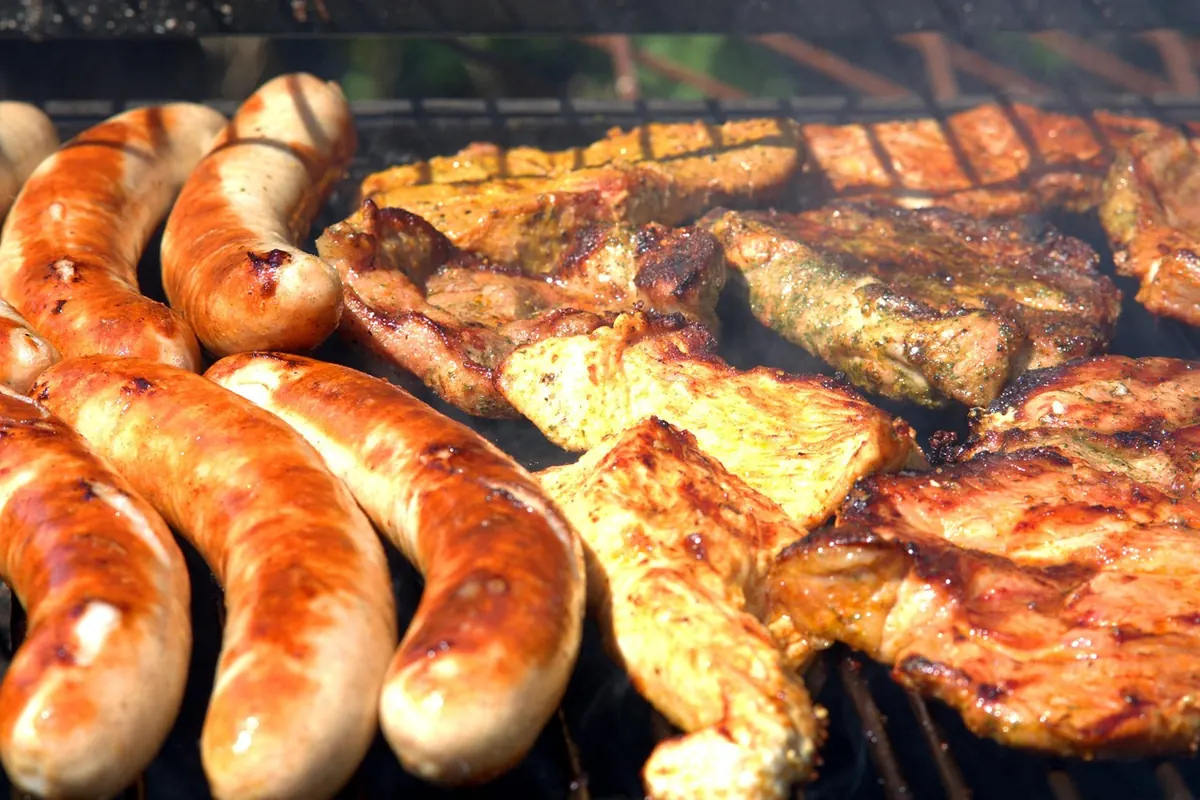
High summer is the time to cook hot and fast. Courgettes, aubergines, peppers, runner beans, beetroot, sweetcorn and tomatoes are all at their best, and the fish counters are full of mackerel and sardines landed around the British coast.
- Courgettes: slice lengthways into planks, salt them for ten minutes, pat dry, then char hard on both sides. Dress with lemon, olive oil and torn mint.
- Whole aubergines: bury them in the embers for about 25 minutes, turning once, until the skin collapses. Scoop the flesh and mash it with tahini, lemon and garlic for a smoky baba ganoush no oven can copy.
- Sweetcorn: leave the husks on, soak them briefly, and grill for 15 minutes, turning. The husks steam the kernels and stop them burning.
- Mackerel: whole, stuffed with lemon slices and herbs, in a hinged basket over medium heat, four to five minutes a side.
Chop a bowl of tomatoes with garlic, basil and good oil and leave it to sit while everything else cooks. That, with slices of yesterday's bread finished on the grill, is the correct thing to put next to all of it.
September: The Glut, the Smoke and the Preserving
September rewards a little forward planning. Tomatoes arrive in a rush, courgettes keep coming, and plums, damsons and blackberries fill the hedgerows. It is also when slower cooks start to make sense again: the evenings shorten, the air cools, and a lid-on cook at around 120°C feels like a good way to spend an afternoon.
Char a tray of tomatoes and peppers directly over the coals, then simmer them down with garlic, vinegar and a little sugar for a smoky sauce that will keep in the fridge for a fortnight. Halve plums, grill them cut-side down until they caramelise, and serve with thick yoghurt and honey. Blackberries go into a crumble — make it in a cast-iron pan and finish it on the grill with the lid down.
October: Squash, Game and Slow Fires
The last stretch of the season belongs to squash, pumpkin, celeriac, beetroot, kale and apples — and to the cuts that suit long, gentle cooking. Game is in full swing, mussels are back on the menu, and pork shoulder, brisket and short ribs are all better for six hours over a low fire than for twenty minutes over a hot one.
Set the barbecue up for indirect cooking, hold it between 110°C and 135°C, and use a water pan to steady the temperature. Halved squash, rubbed with oil and cumin and cooked cut-side down, takes about 40 minutes. Jacket potatoes buried in the embers come out with the best skin you will ever get. Baked apples, cored and filled with raisins and brown sugar, take twenty minutes with the lid on while everyone else stands by the fire.
Fuel, Weather and the Practical Bits
A few things stay the same from March to October.
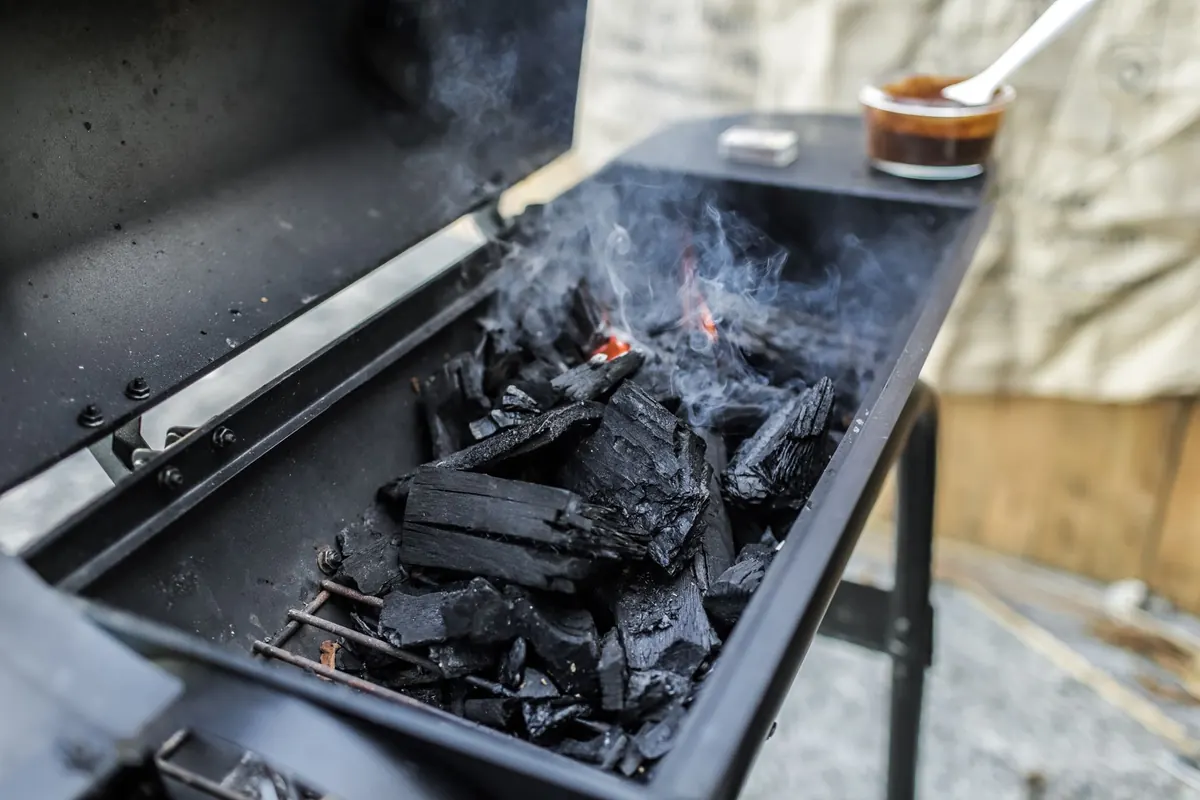
- Buy good lumpwood charcoal for quick cooks and briquettes for long ones. A chimney starter and a probe thermometer will improve your cooking more than any new gadget.
- Wood chips — apple, cherry, oak — work best added in a foil pouch to smoulder rather than thrown on by the handful. A little smoke is seasoning; a lot is a mistake.
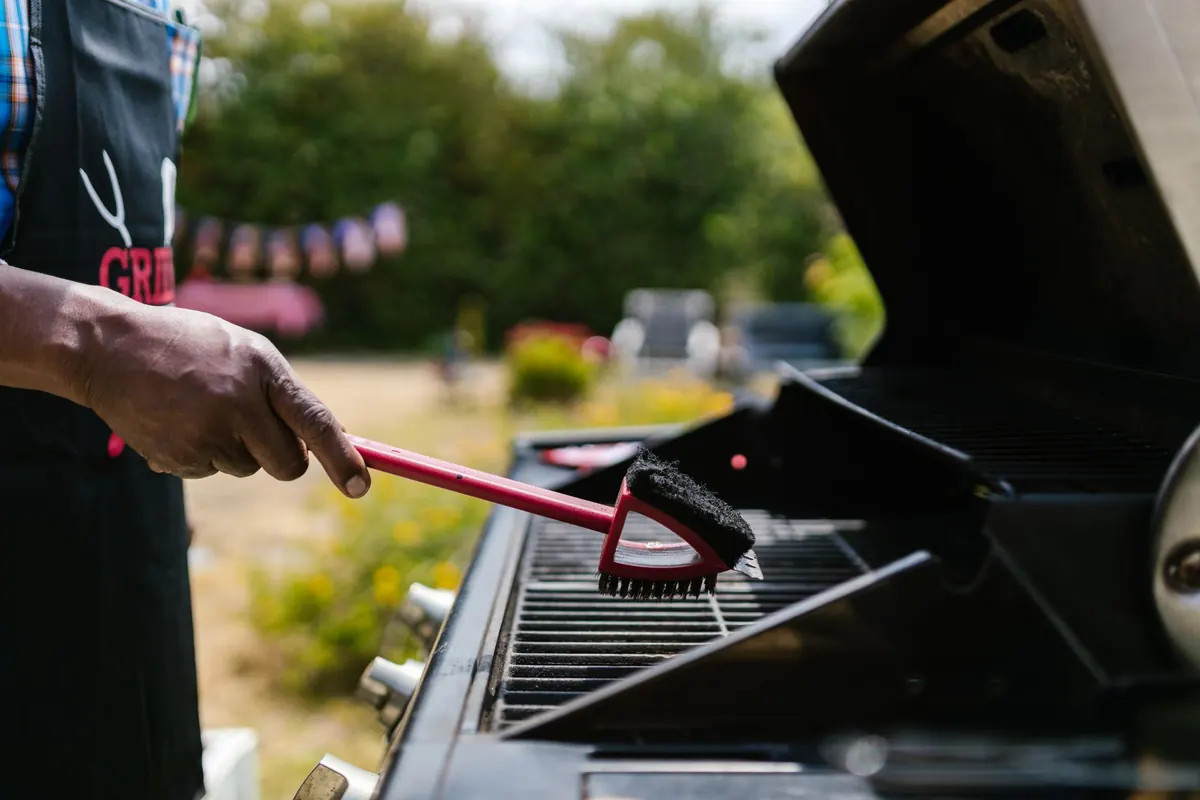
- Keep a lid, a windbreak and a clean dry cloth to hand. The weather turns, and being able to close the lid and wait ten minutes has saved more meals than any marinade.
- Never cook with a barbecue indoors, in a garage or in a tent. Burning charcoal gives off carbon monoxide, which is colourless, odourless and can be fatal. If the weather defeats you, cook inside.
Don't wait for a perfect forecast. The best cooking of the year happens on ordinary grey afternoons, in a coat, with the lid down and a decent pair of tongs.
Photo: webandi / Pixabay
Related posts
More stories you’ll love reading