
Most disappointing barbecues aren't ruined by an unlucky cut of meat or a bad marinade. They're ruined by the fire. Too much fuel, too little air, or food that hit the grate before the coals were anywhere near ready. Charcoal is simple stuff, but it responds to what you do with it, and the same handful of mistakes turn up again and again in gardens across the country.
None of them are difficult to correct. They just need to become habit before the first burger goes on.
Piling On More Charcoal Than You Need
A crowded grate feels like insurance. It isn't. When the bowl is heaped, the pieces smother each other, the fire runs hotter than you can control, fat hits the coals and flares, and you end up burning through a fortune in fuel to cook a few sausages.
Start with less than you think you need. A chimney starter filled level is plenty for a straightforward direct cook, and a single layer of briquettes two deep will hold steady heat for the best part of an hour in a standard kettle. If you need more, add it in small batches through a hinged grate rather than dumping on a fresh load.
Set up two zones every time. It takes an extra minute and it saves dinners:
- Light a full chimney and wait until the top coals are grey.
- Tip them onto one side of the grate, leaving roughly a third of the grill empty.
- Cook over the coals for colour and crust, then move food to the empty side to finish gently.
- Use that cooler zone when something starts dripping fat or cooking faster than expected.
Choking the Fire: Poor Airflow
Charcoal needs oxygen. Starve it and you get a grey, sullen fire, food that takes twice as long, and thick white smoke that tastes exactly as unpleasant as it looks. The usual culprits are a bowl still full of last week's ash, bottom vents left half closed, or a sheet of foil lining the bowl that covers the vents by accident.
Leave the bottom vents wide open while you light the fire, then use them to steer the temperature. Think of the bottom vent as the coarse control and the lid vent as the fine one. Keep the lid vent positioned over the food rather than directly above the coals, so heat and smoke are drawn across the grill instead of straight up and out.
Lump charcoal needs gaps between pieces to breathe, so resist the urge to pack it tight. And a safety point worth repeating: never burn charcoal indoors, in a garage, or in a tent. It produces carbon monoxide, which is colourless, odourless and genuinely dangerous. Cook outside, always.
Cooking Before the Coals Are Ready
This is the mistake that shows up on the plate. Coals that are still black and flaming give you acrid smoke, unpredictable heat and food that tastes tainted no matter how good the marinade was. The billowing white smoke of a freshly lit fire is not the flavour you're after.
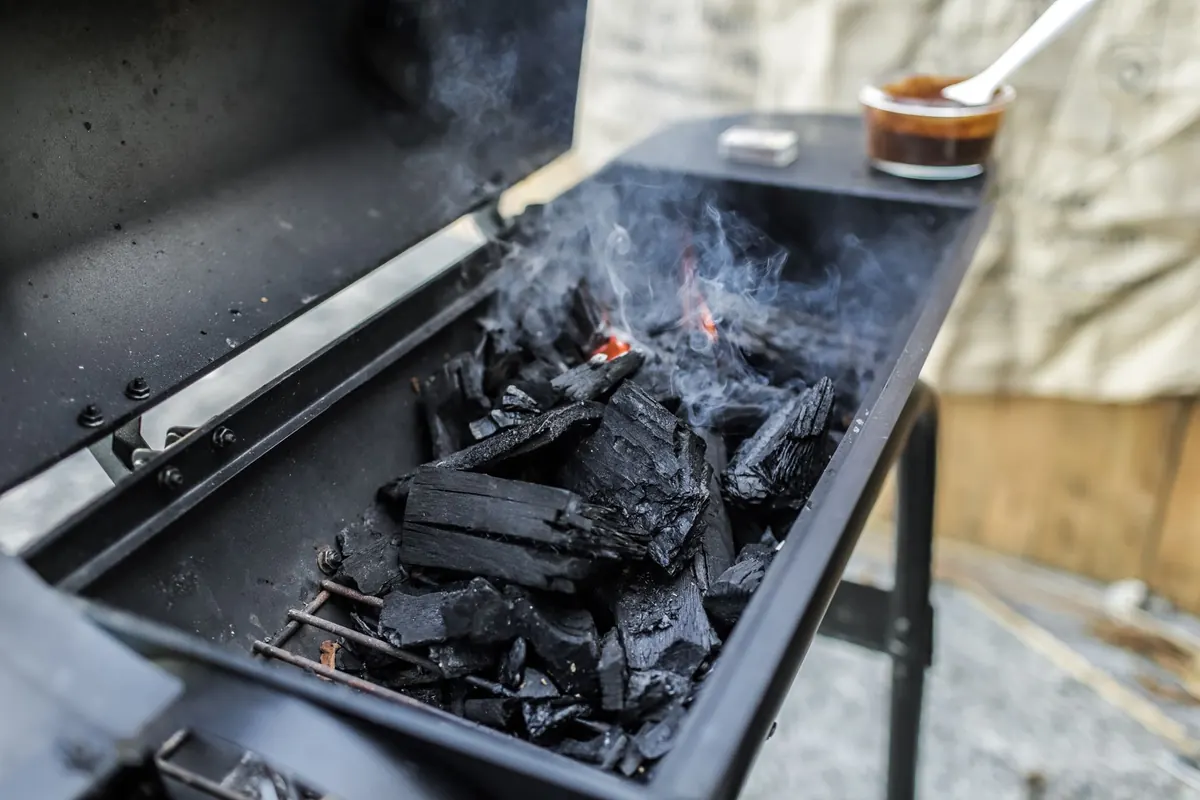
Give the fire time. For briquettes, that's usually somewhere between fifteen and twenty-five minutes; lump tends to be quicker but varies enormously. Wait for the coals to be mostly grey with a steady orange glow beneath, and for visible flames to disappear.
Judging the heat without a thermometer
- Ready: coals coated in grey ash, no flames, a low even glow across the bed.
- High heat: you can hold your hand at grate height for only two or three seconds.
- Medium: four to five seconds, good for chicken pieces and thicker sausages.
- Low: six seconds or more, useful for resting, glazing and finishing.
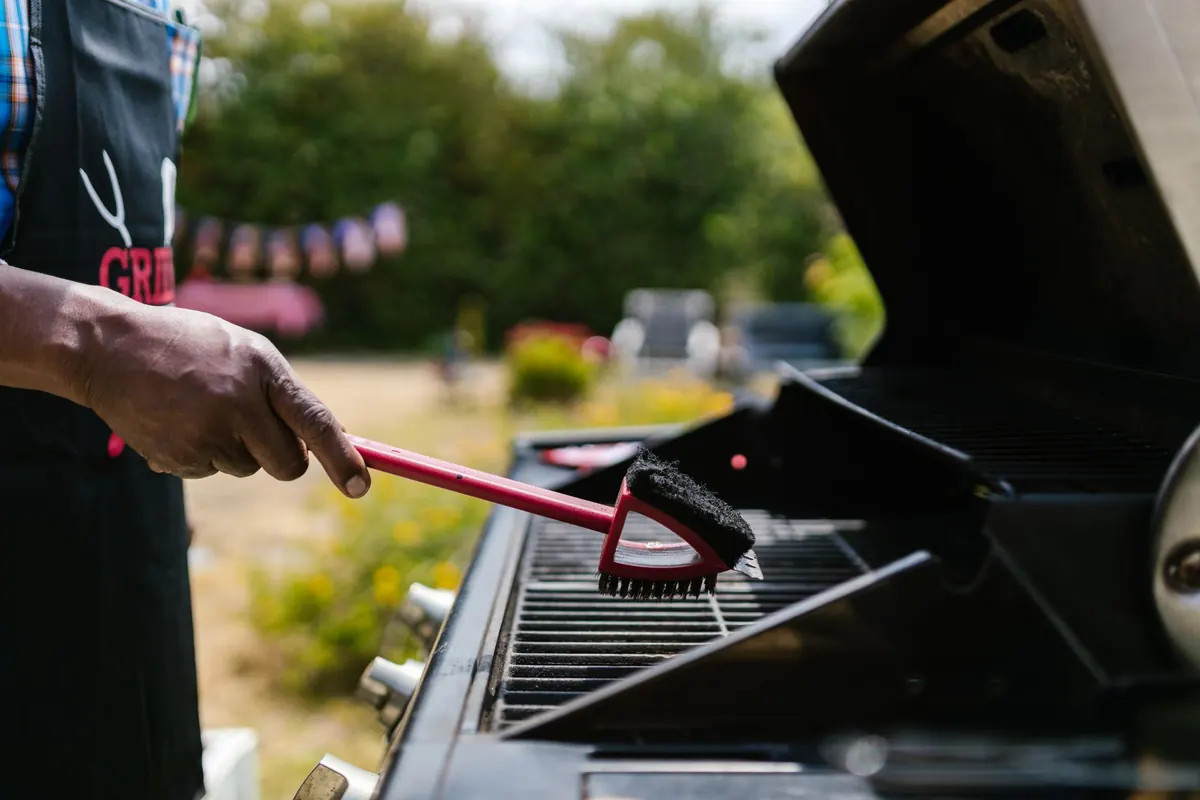
While the coals settle, put the lid on and let the grate heat through for five minutes. Then brush it clean and oil it lightly with a folded kitchen paper dipped in a neutral oil. Food releases far more readily from a hot, oiled grate.
Ignoring Ash Until It Becomes a Problem
Ash is insulation, and insulation is the enemy of a steady fire. A thick layer in the bottom of the bowl blocks the vents, smothers the coals from below and makes the temperature sag exactly when you need it most. It also kicks up onto food and clogs the grate.
Empty the bowl before every cook, once the ash is completely cold. On longer sessions, keep a skewer or a thin screwdriver to hand and clear the bottom vents when the fire starts to fade. If you're topping up over several hours, give the coals a gentle stir so the ash falls through rather than smothering them.
Disposal matters too. Warm ash can sit at a surprisingly high temperature for a long time, so never tip it straight into a bin, especially a plastic one. Use a metal bucket with a lid, keep it outside and away from anything flammable, and leave it for a day or two before binning it.
Fiddling With the Lid and Chasing Numbers
Every time you lift the lid you lose heat, let in a rush of oxygen and invite a flare-up. Over a long cook, that adds up to a noticeably longer cooking time and drier food. The lid is a tool, not a window — use it to hold heat and smoke, then leave it alone.
Set your vents, settle on a position for the food and check at sensible intervals. That might be every few minutes for burgers or thin steaks, but twenty or thirty minutes for a joint or a whole bird. Resist poking and turning constantly; turn food once, when it releases easily from the grate without tearing.
Small swings are normal. A charcoal fire breathes, and a difference of ten or fifteen degrees means very little once you're cooking. Chase every wobble with the vents and you'll spend the whole afternoon adjusting rather than eating.
A Simple Routine That Prevents Most of These Problems
Good charcoal cooking is mostly preparation, and it takes about ten minutes before anything edible appears.
- Empty the bowl and clear the bottom vents before you start.
- Fill the chimney, light it, and wait for grey ash rather than flames.
- Arrange two zones, put the lid on, and preheat the grate for five minutes.
- Brush and oil the grate, then cook with the lid down and the vents set.
- Top up in small batches and keep ash from building up.
- Close the vents at the end to snuff the fire, then empty the cold ash next time.
Do that consistently and you'll notice the difference quickly: steadier temperatures, fewer flare-ups, cleaner flavour and far less standing around worrying. The fire does most of the work once you stop fighting it.
Photo: Luis Quintero / Pexels
Related posts
More stories you’ll love reading