

BBQ Recipes
Smoky Grilled Halloumi and Vegetable Skewers with Lemon Herb Dressing
September 20, 2026
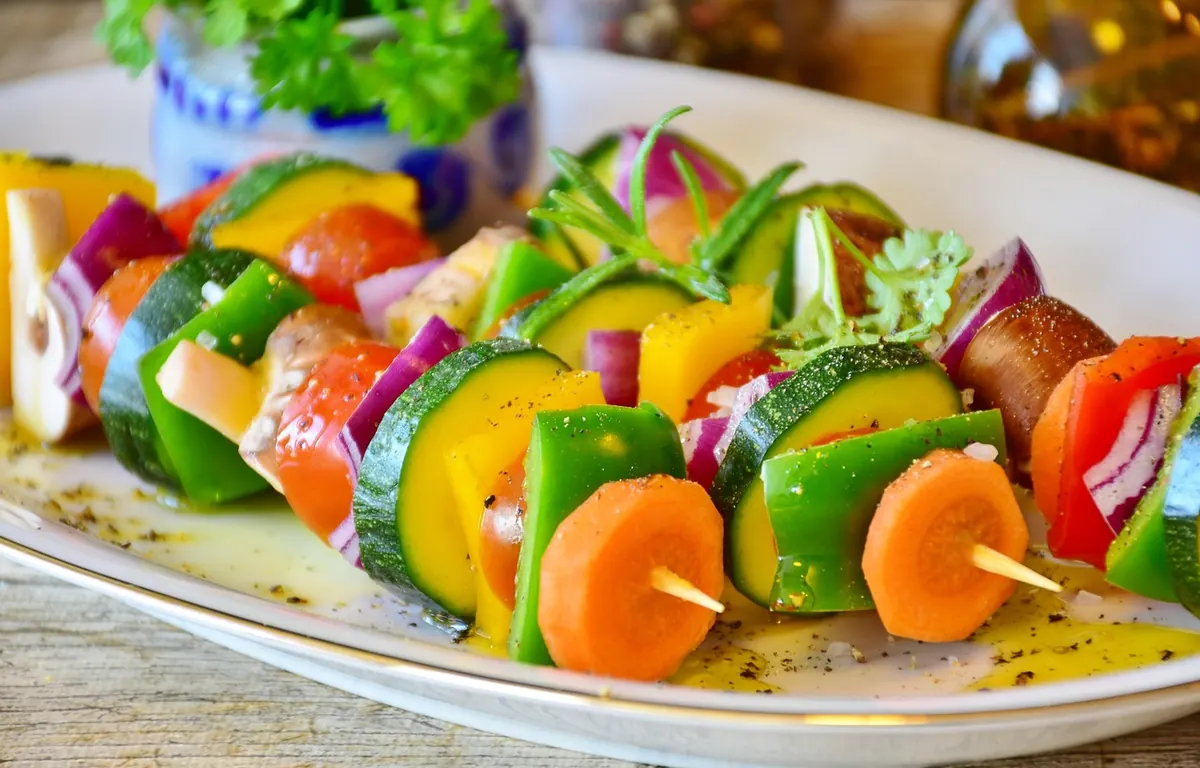
Halloumi has a habit of stealing the show at a barbecue. Put a block of it over hot coals and it turns deeply golden outside, soft and squeaky within, all in the time it takes to sort out the salads. The catch is that it can just as easily end up tough, rubbery and aggressively salty if you treat it like a burger and leave it sitting on the grate. Skewering it with vegetables that soften and sweeten as they char is the simplest way to get the balance right, and a spoonful of lemon herb dressing at the end lifts the whole plate.
This recipe makes six generous skewers — enough for four people as a main with bread and salad, or six as part of a bigger spread. It takes about twenty minutes of actual work, plus soaking time for the skewers.
Why halloumi works so well over coals
Halloumi is a brined, semi-hard cheese with a high melting point, which means it can take direct heat without collapsing through the grate. That firmness is exactly what you want when you are cooking outdoors, because you can turn a skewer without losing half of it between the bars.
Two things are worth remembering. First, it is salty already, so season the vegetables rather than the cheese, and go easy on added salt in the dressing. Second, it is at its best when cooked fast and eaten immediately. Left to cool on a tray, it firms up and loses the soft middle that makes it worth the trouble.
One label check: most halloumi is set with animal rennet. If you are cooking for vegetarians, look for a brand that states microbial or vegetarian rennet on the packaging.
What you need
- 2 blocks of halloumi, about 225g each, cut into 3cm cubes
- 2 red peppers and 1 yellow pepper, deseeded and cut into 3cm squares
- 1 large courgette, cut into 2cm rounds and halved if they are wide
- 1 red onion, cut into wedges and separated into rough layers
- A handful of cherry tomatoes, optional but good for colour and juice
- 2 tbsp olive oil, for brushing
- Freshly ground black pepper
For the dressing you will need the zest and juice of one lemon, 4 tbsp good olive oil, 1 small garlic clove, 1 tsp Dijon mustard, 1 tsp honey or maple syrup, a large handful of soft herbs and a pinch of chilli flakes.
Prepping and threading the skewers
Soak wooden skewers first
Give wooden skewers at least thirty minutes in a tray of cold water, and an hour is better. Soaked wood smoulders rather than flares, which matters more than you might think when the skewer ends are sitting directly over the fire. Metal skewers sidestep the problem entirely, but they get hot — warn anyone who picks one up by the wrong end.
Cut everything to a similar size
Uniform pieces cook at the same rate, so aim for roughly 3cm across for the cheese, peppers and onion, and slightly smaller for the courgette since it releases a lot of water. Pat the halloumi dry with kitchen paper before threading. Surface moisture steams rather than browns, and dry cheese picks up a far better crust.
Thread with a bit of thought
Alternate the ingredients rather than grouping them, and push the pieces snugly together — gaps let the skewer spin and the vegetables scorch. Thread courgette rounds flat-side out so they sit against the grate rather than rolling. Leave a couple of centimetres clear at each end for handling. If you are using cherry tomatoes, put them between two firmer pieces so they do not burst and slide off.
The lemon herb dressing
This is a thin, spoonable dressing rather than a thick marinade, and it is deliberately sharp to cut through the salt of the cheese.
- Zest the lemon into a bowl, then squeeze in the juice.
- Add the crushed garlic, Dijon mustard, honey or maple syrup, and a good grind of black pepper. Whisk together.
- Pour in the olive oil in a slow stream, whisking as you go, until it thickens slightly and looks glossy.
- Stir through finely chopped parsley, mint and a little oregano, plus the chilli flakes if you want heat. Taste and adjust — more lemon if it feels flat, a little more honey if it bites too hard.
Make it up to a day ahead and keep it in the fridge. Bring it back to room temperature before using, because cold dressing tastes muted.
Cooking the skewers
Set up two zones
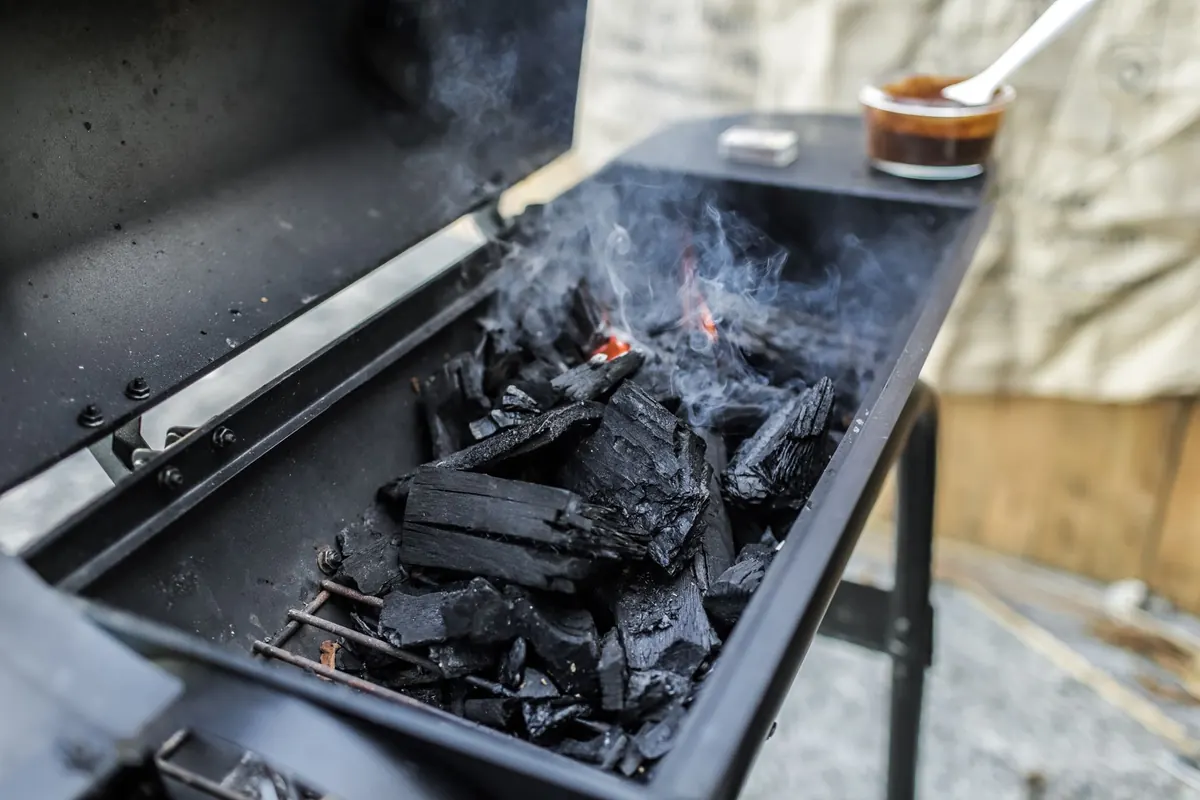
Build your fire so one side of the barbecue is hot and the other has no coals under it, or light the outer burners only on a gas grill. You will cook mostly over the hot side and move things across if the cheese starts to colour too quickly. Aim for a heat you can hold your hand over for three or four seconds.
Timing and turning
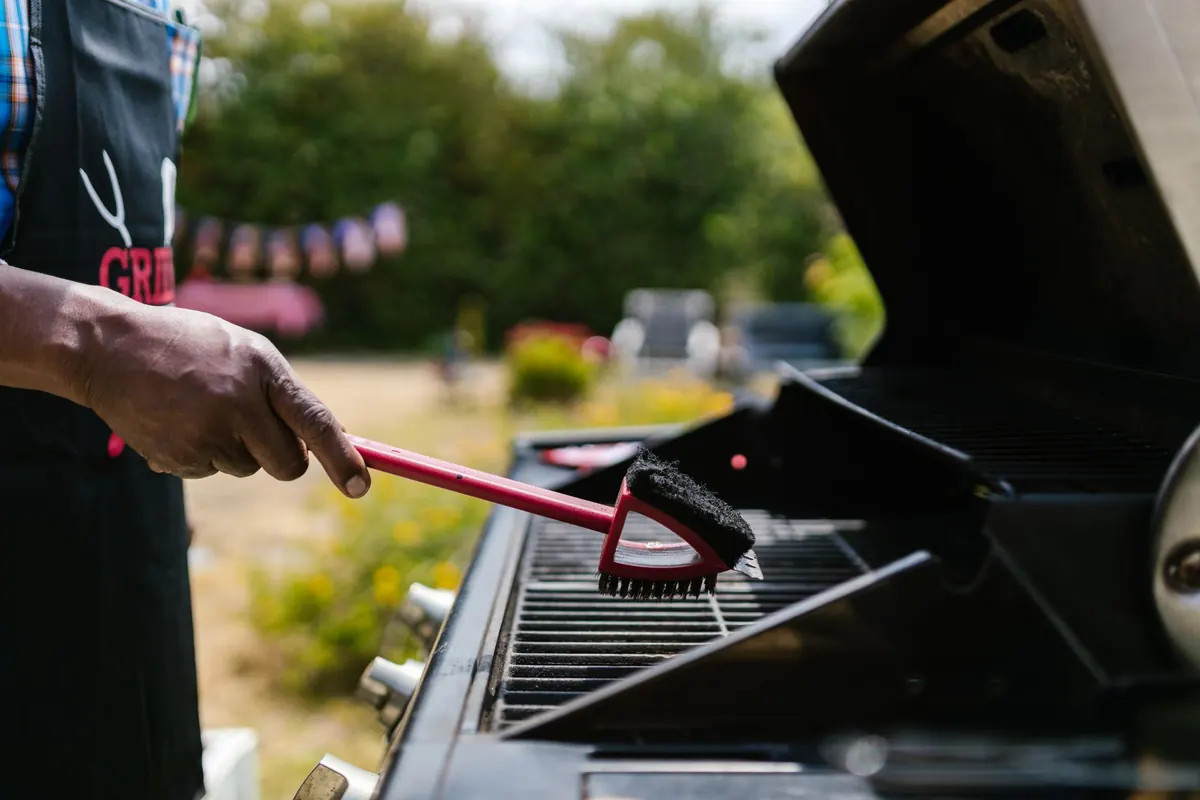
Brush the grate clean, oil it lightly, then lay the skewers down. Cook for three to four minutes without touching them, until the halloumi releases easily and shows deep golden bars. Turn a quarter turn and repeat, working around all four sides. Total cooking time is usually ten to twelve minutes. If the vegetables are browning before the cheese is soft, slide the skewers to the cooler side and close the lid for a few minutes.
Do not baste with the dressing during cooking. The lemon juice and honey will catch and burn, and acid sitting on halloumi for too long can make it tough. Brush with plain olive oil as it cooks, then spoon the dressing over while the skewers are still hot so it soaks in.
Variations and what to serve with it
The formula is flexible. Swap courgette for aubergine, add thick slices of mushroom, or thread on cubes of firm tofu alongside the cheese. A sprinkle of smoked paprika or dried oregano over the vegetables before they go on the grill adds a little depth without any extra effort.
Serve the skewers on warm flatbreads with a spoon of yoghurt, or beside couscous, tabbouleh or a plain tomato and red onion salad. A squeeze of extra lemon at the table never hurts.
Prep ahead, cook hot, dress late
Thread the skewers earlier in the day, cover them and keep them in the fridge — they will cook better from cold and dry than from warm and damp. Take them out while the coals settle, so they are not ice-cold when they hit the grate.
Any leftovers keep for up to three days in the fridge. Eat them cold in a wrap, or warm them gently in a dry frying pan; the microwave turns halloumi rubbery, so avoid it. If you are scaling up for a crowd, cook in batches and keep finished skewers in a warm dish rather than piling them on the hot side of the grill, where they will keep cooking and dry out. Get the fire right, turn them four times, dress them at the last moment, and this is the vegetarian dish that disappears first.
Photo: RitaE / Pixabay
Related posts
More stories you’ll love reading